Getting started
Getting started · 8 min
How do you knit an accurate gauge swatch?
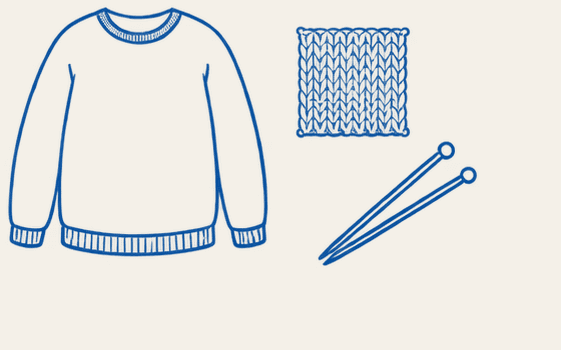
A gauge swatch checks whether your yarn and needles produce the same fabric density as the pattern. Knit it, wash it and measure it before starting the garment.
Comparing gauge swatches
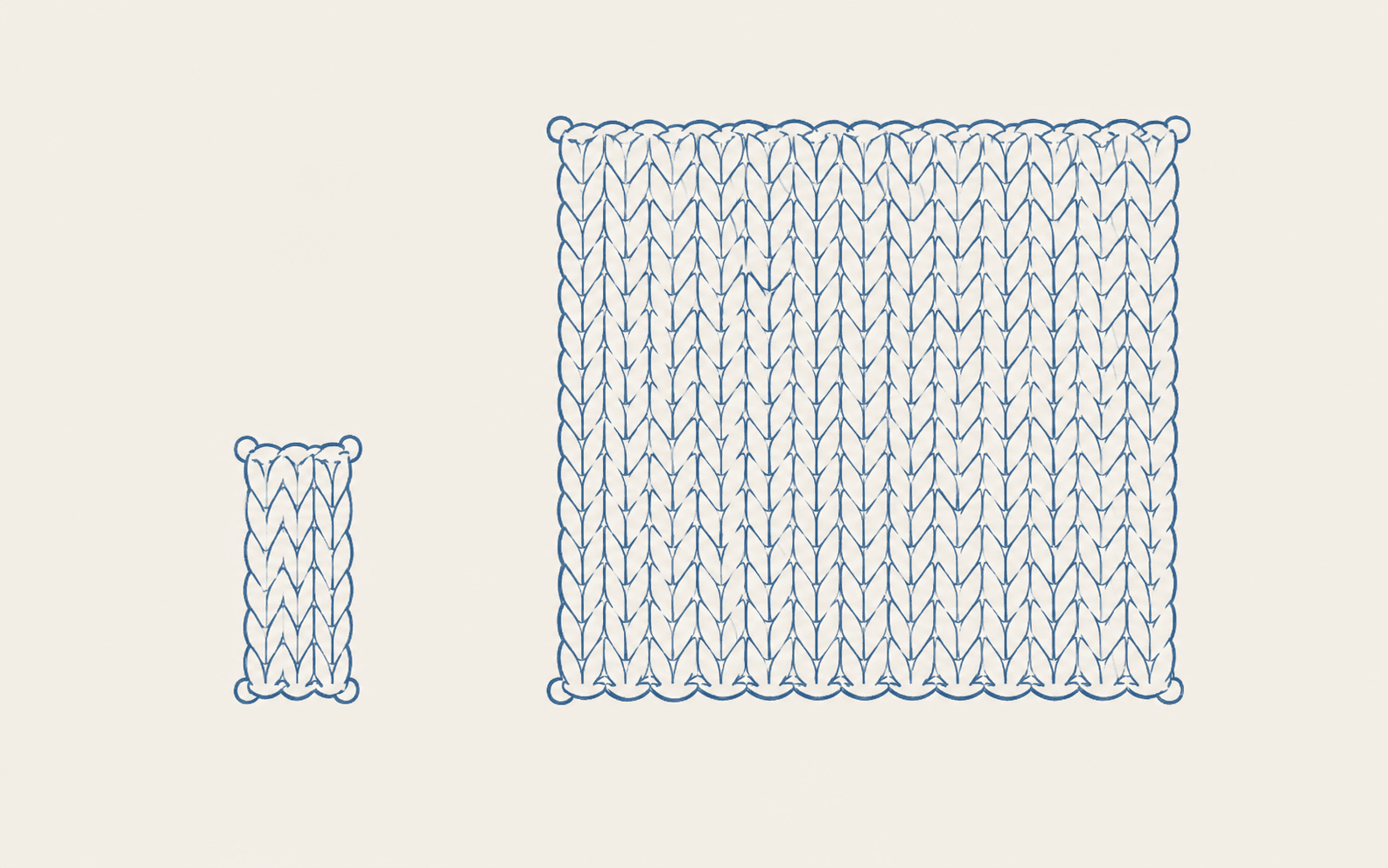
A large enough gauge swatch
The gauge listed in the pattern is the number of stitches and rows you should obtain over 10 cm. It is not the number of stitches to cast on.
Cast on enough stitches to make a swatch about 15 to 20 cm wide and tall. Knitting behaves differently across 10 stitches than it does across 40.
Both stitches and rows count
The swatch checks the number of stitches and rows obtained over 10 cm. Both width and height matter.
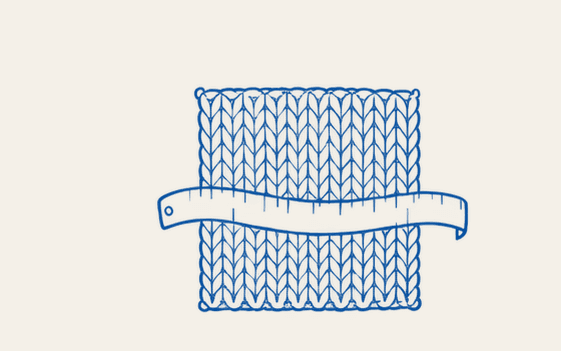
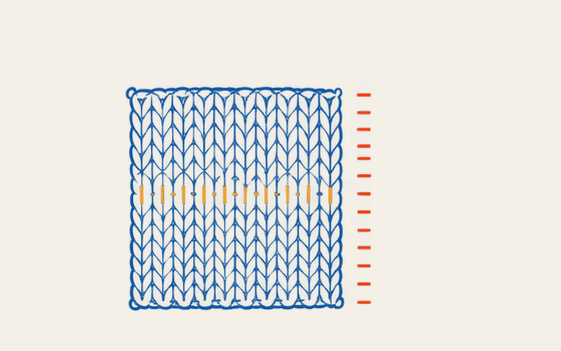
A gauge that differs from the pattern changes every dimension of the garment.
Measure in the centre
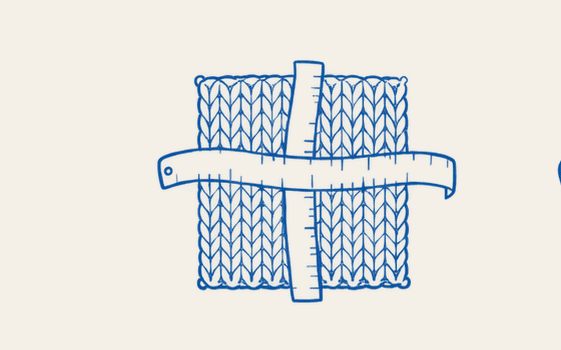
Knit a square larger than 10 × 10 cm, then count the stitches and rows across 10 cm in the centre. Keep away from the edges, which can distort the measurement.
Wash before measuring
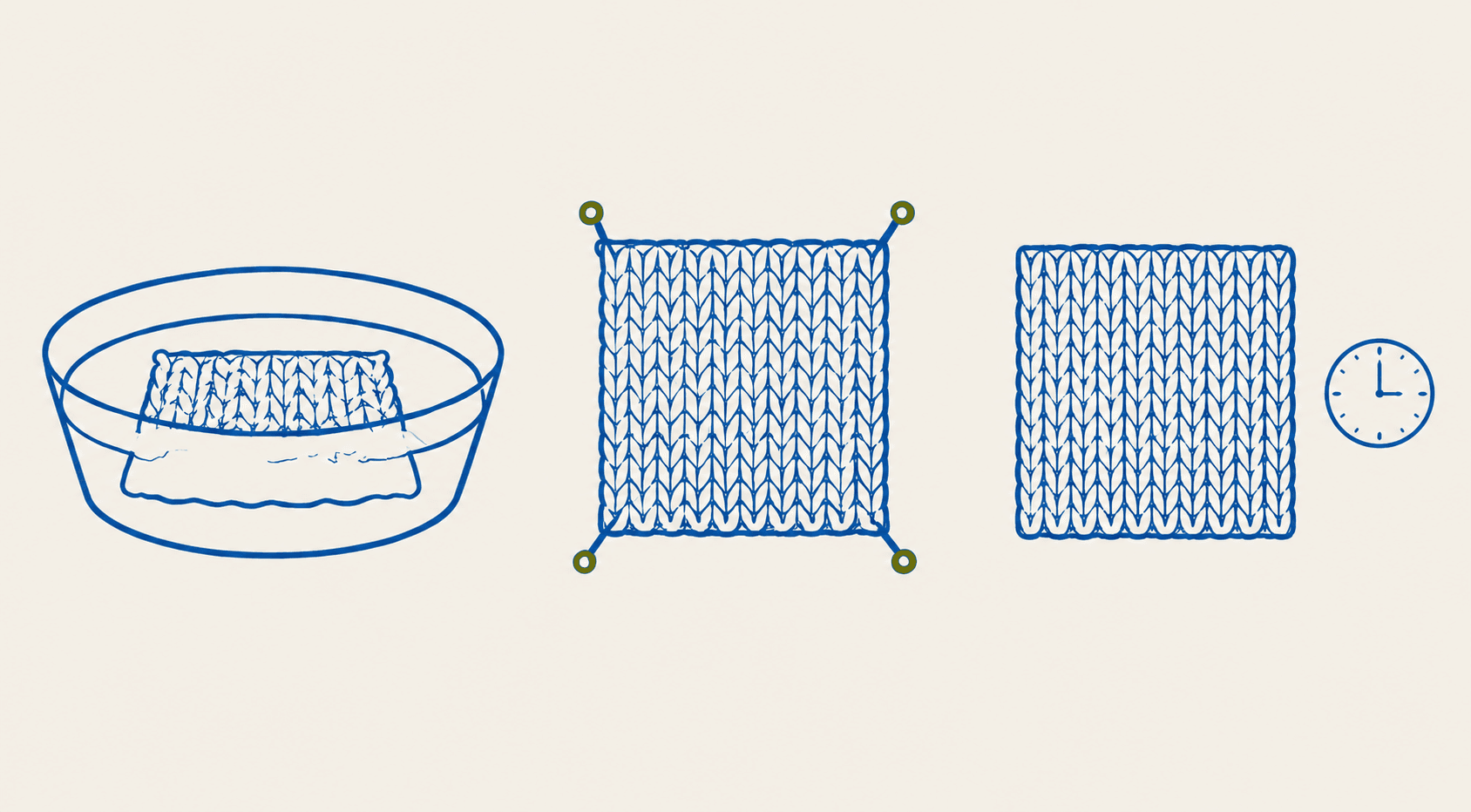
Wash and block the swatch as you will the finished garment. Once dry, remove the pins, allow the fabric to rest and measure it the following day.
Never measure the swatch while it is still pinned. Knitted fabric contracts slightly as it returns to its natural shape.
Adjust the needle size
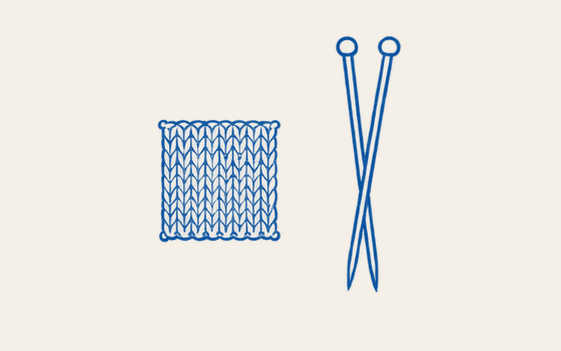
Too many stitches over 10 cm
Your fabric is too tight. Try larger needles. For example, if you have 26 stitches instead of 24, increase the needle size.
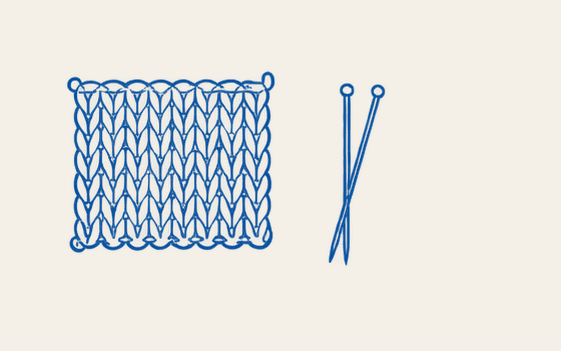
Too few stitches over 10 cm
Your fabric is too loose. Try smaller needles. For example, if you have 22 stitches instead of 24, decrease the needle size.
The stitches match, but the rows do not
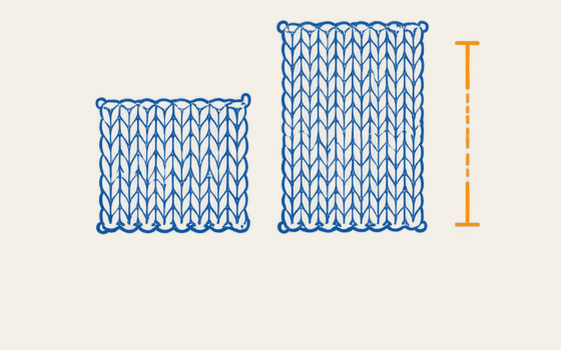
On a straight section, you can often adjust the length in centimetres. For raglan shaping or a circular yoke, row gauge is essential. Always check the construction before adapting the pattern.
Before casting on
- 01
Knit a large enough gauge swatch.
- 02
Wash it and allow it to dry.
- 03
Count stitches and rows over 10 cm.
- 04
Adjust your needle size.
A few minutes here can save you from unravelling an entire garment.
Next tutorial
How to read a knitting chart