k1
Knit 1 stitch.

The MarGueNée vocabulary
Find the abbreviations and techniques used in my patterns, explained clearly so you can keep your project moving.
101 definitions · 3 sections
101 definitions
The abbreviations and chart symbols used in MarGueNée patterns.
Knit 1 stitch.
Knit 1 stitch through the back loop.

Purl 1 stitch.

Purl 1 stitch through the back loop.

Slip 1 stitch purlwise with the yarn in front of your work. Tip: always slip it purlwise, so as not to twist the stitch on the next row, and always keep your yarn between you and the work.
Knit 2 stitches together.

Purl 2 stitches together.

Purl 2 stitches together through the back loop.

Knit 3 stitches together.
Knit 4 stitches together.
Knit front and back: knit into the front and then into the back of the same stitch before dropping it. One stitch becomes two.
Knit front, back, front: knit into the front, then the back, then the front of the same stitch again before dropping it. One stitch becomes three.
Lift the strand between the stitches from back to front, then knit into the front of the loop.
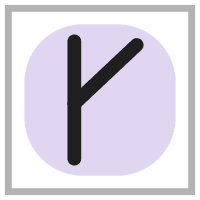
Lift the strand between the stitches from back to front, then purl into the front of the loop.

Lift the strand between the stitches from front to back, then knit into the back of the loop.
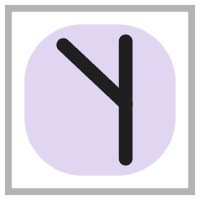
Lift the strand between the stitches from front to back, then purl into the back of the loop.
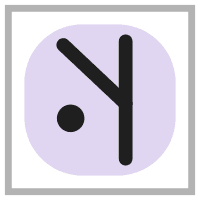
Colour 1, colour 2, colour 3.
Continue.
Main colour, contrasting colour.
Contrasting colour 1, contrasting colour 2, when the pattern uses two.
Slip the next 2 stitches together knitwise, knit the next stitch, then pass both slipped stitches over the stitch just knitted.

Double stitch. Refers both to the action of making the double stitch (pulling the yarn to the back after turning) and to the resulting stitch. The two legs of the double stitch are always worked together as a single stitch (German short rows).

Wrap the yarn twice around the right needle to make two yarn overs. On the next row, knit one stitch into one of the two loops and purl one stitch into the other, as shown on the chart.
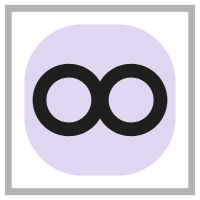
Remove marker M or M2.
Knit.
Purl.
Right side, wrong side: after a row number, the side of the work on which that row is worked. Example: R2 (WS).
Slip, slip, knit. Slip two stitches knitwise one at a time, insert the left needle into their fronts, then knit them together through the back loops.
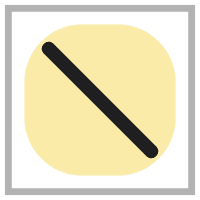
Slip two stitches knitwise one at a time, return them to the left needle, then purl them together through the back loops.

Slip 4 stitches knitwise one at a time. Insert the left needle into these 4 stitches and knit them together through the back loop.
Slip 1 stitch purlwise with the yarn held at the back of the work.
Slip 2 stitches purlwise with the yarn held on the wrong side of the work. It may also mean slipping 2 stitches purlwise with the yarn at the back.
Slip marker M or M2.
Wrap the yarn around the right needle to make a new stitch.

In the same stitch: k1, yo, k1. One stitch becomes three.
Stitch(es).
In the same stitch: k1, yo, k1, yo, k1. One stitch becomes five, adding four stitches.
In the same stitch: k1, yo, k1, yo, k1, yo, k1. One stitch becomes seven.
Elongated stitch: knit the stitch, wrapping the yarn twice around the needle.
Marker M or M2.
Beginning-of-round marker. pBOR: place the beginning-of-round marker; sBOR: slip it; rBOR: remove it.
Place marker M or M2.
Row(s). Rnd: round(s) when working in the round.
Repeat. rep * … *: repeat the sequence between asterisks the number of times indicated, or to the end of the row.
Short row(s).
Through the back loop.
Turn the work when shaping German short rows.
Cable crossings and the placement of stitches on a cable needle.
RS : Slip 1 stitch to a cable needle and hold it at the front of the work, knit the next stitch, return the cable-needle stitch to the left needle and knit it.
WS : Slip 1 stitch to a cable needle and hold it at the front of the work, purl the next stitch, return the cable-needle stitch to the left needle and purl it.
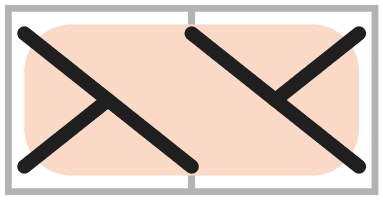
Slip 1 stitch to a cable needle and hold it at the front of the work, purl the next stitch, then knit the stitch from the cable needle through the back loop.
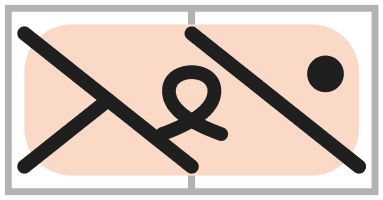
Slip 1 stitch to a cable needle and hold it at the front of the work, knit the next stitch through the back loop, then knit the stitch from the cable needle through the back loop.
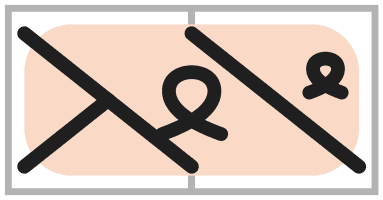
Slip 1 stitch to a cable needle and hold it at the front of the work, knit the next stitch, return the cable-needle stitch to the left needle and knit it through the back loop.
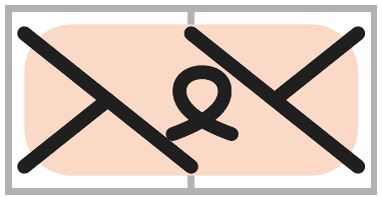
Slip 1 stitch to a cable needle and hold it at the back of the work, knit the next stitch, return the cable-needle stitch to the left needle and purl it.
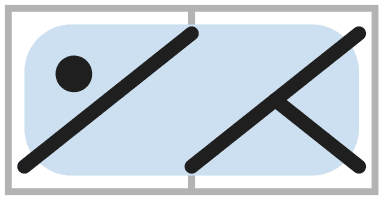
Slip 1 stitch to a cable needle and hold it at the front of the work, purl the next stitch, return the cable-needle stitch to the left needle and knit it.
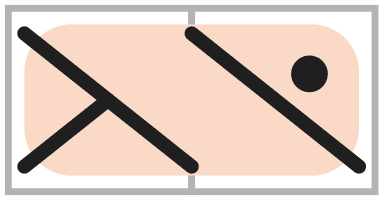
RS : Slip 1 stitch to a cable needle and hold it at the back of the work, knit the next stitch, return the cable-needle stitch to the left needle and knit it.
WS : Slip 1 stitch to a cable needle and hold it at the back of the work, purl the next stitch, return the cable-needle stitch to the left needle and purl it.
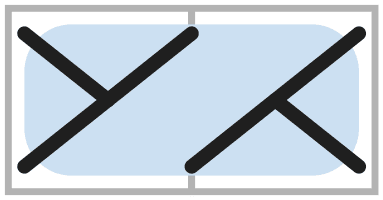
Slip 1 stitch to a cable needle and hold it at the front of the work, purl the next stitch, return the cable-needle stitch to the left needle and knit it.
Slip 1 stitch to a cable needle and hold it at the back of the work, knit the next stitch, purl the stitch from the cable needle.
Slip 1 stitch to a cable needle and hold it at the back of the work, knit the next stitch through the back loop, then purl the stitch from the cable needle.
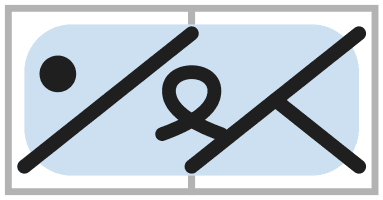
Slip 1 stitch to a cable needle and hold it at the back of the work, knit the next stitch through the back loop, then knit the stitch from the cable needle through the back loop.
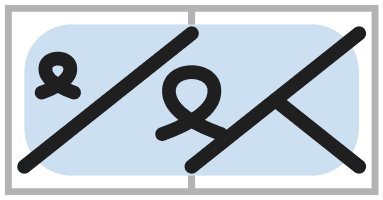
Slip 1 stitch to a cable needle and hold it at the back of the work, knit the next stitch through the back loop, return the cable-needle stitch to the left needle and knit it.
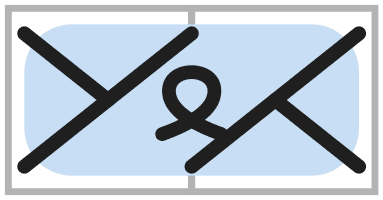
Slip 2 stitches onto a cable needle held at the back of your work, knit the next stitch, slip the 2 stitches from the cable needle back onto the left-hand needle and knit them.
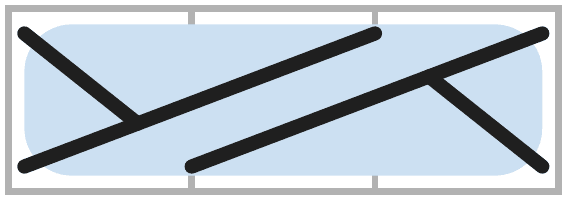
Slip 1 stitch onto a cable needle held at the front of your work, knit the next 2 stitches, slip the stitch from the cable needle back onto the left-hand needle and knit it.
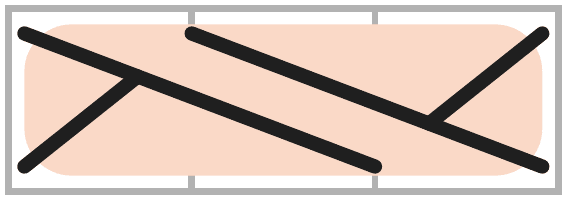
Slip 2 stitches to a cable needle and hold them at the front of the work, knit the next stitch, then knit the 2 stitches from the cable needle.
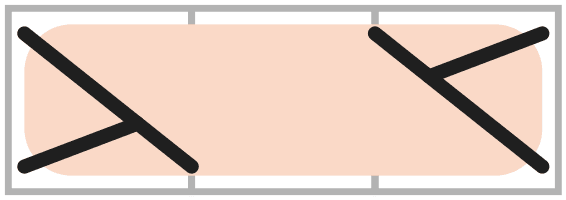
Slip 1 stitch to a cable needle and hold it at the back of the work, knit the next 2 stitches, then knit the stitch from the cable needle.
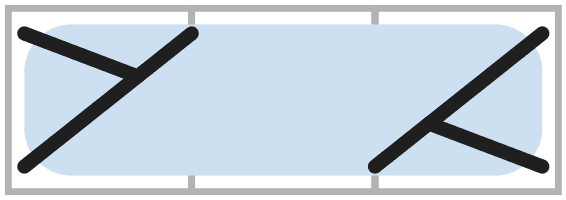
Slip 2 stitches to a cable needle and hold them at the front of the work, purl the next stitch, return the 2 cable-needle stitches to the left needle and knit them.
Slip 1 stitch to a cable needle and hold it at the back of the work, knit the next 2 stitches, return the cable-needle stitch to the left needle and purl it.
Slip 2 stitches to a cable needle and hold them at the front of the work, purl the next stitch, return the 2 cable-needle stitches to the left needle and knit them through the back loop.
Slip 1 stitch to a cable needle and hold it at the back of the work, knit the next 2 stitches through the back loop, return the cable-needle stitch to the left needle and purl it.
Slip 2 stitches to a cable needle and hold them at the front of the work, knit the next 2 stitches, then knit the 2 stitches from the cable needle.
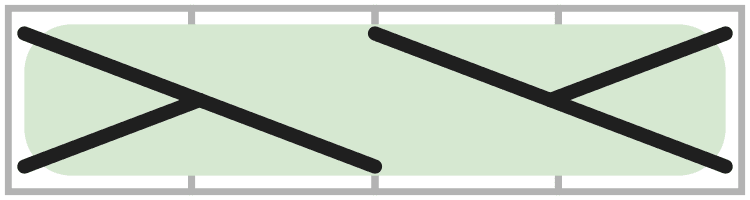
Cross two groups of 2 stitches to the left. P denotes a purl stitch, shown as a dot; T denotes a twisted stitch, shown as a loop.
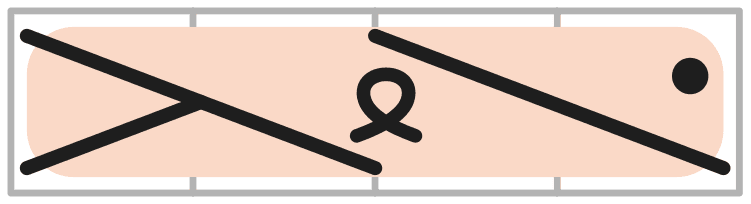
Slip 2 stitches to a cable needle and hold them at the back of the work, knit the next 2 stitches, then knit the 2 stitches from the cable needle.
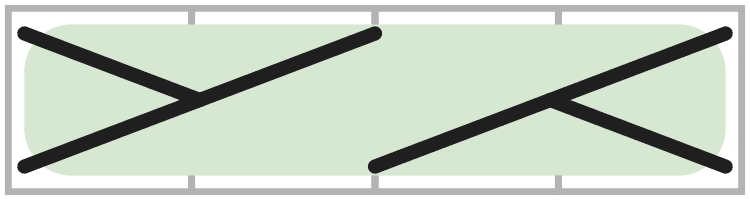
Slip 2 stitches to a cable needle and hold them at the front of the work, purl the next 2 stitches, return the 2 cable-needle stitches to the left needle and knit them.
Slip 2 stitches to a cable needle and hold them at the back of the work, knit the next 2 stitches, return the 2 cable-needle stitches to the left needle and purl them.
Slip 1 stitch to a cable needle and hold it at the front of the work, knit the next 4 stitches, then knit the stitch from the cable needle.
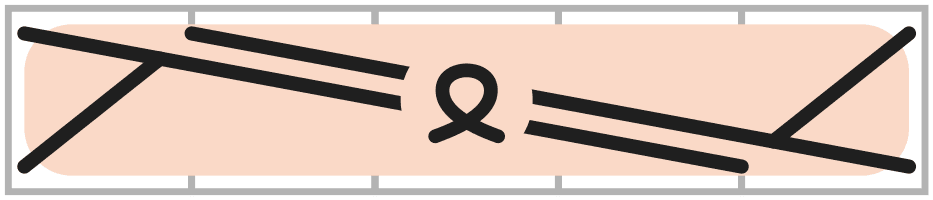
Slip 4 stitches to a cable needle and hold them at the back of the work, knit the next stitch, then knit the 4 stitches from the cable needle.
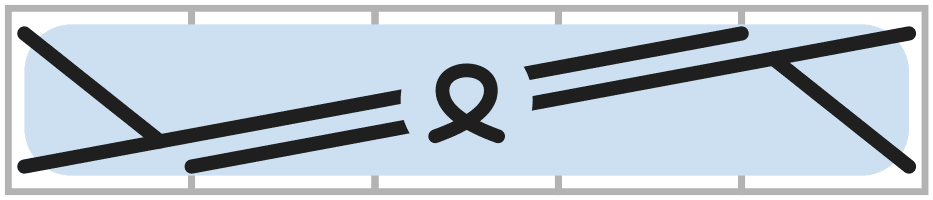
RS : Slip 2 stitches to a cable needle and hold them at the front of the work, knit the next 3 stitches, knit the 2 stitches from the cable needle.
WS : Slip 2 stitches to a cable needle and hold them at the front of the work, purl the next 3 stitches, purl the 2 stitches from the cable needle.
RS : Slip 3 stitches to a cable needle and hold them at the back of the work, knit the next 2 stitches, knit the 3 stitches from the cable needle.
WS : Slip 3 stitches to a cable needle and hold them at the back of the work, purl the next 2 stitches, purl the 3 stitches from the cable needle.
Slip 2 stitches onto a cable needle held at the back of your work, knit the next 3 stitches, slip the 2 stitches from the cable needle back onto the left-hand needle and knit them.
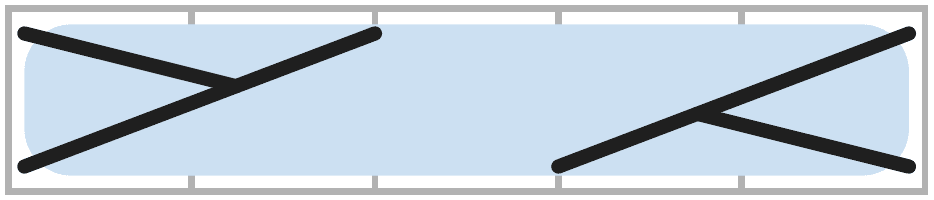
Slip 3 stitches onto a cable needle held at the front of your work, knit the next 2 stitches, slip the 3 stitches from the cable needle back onto the left-hand needle and knit them.
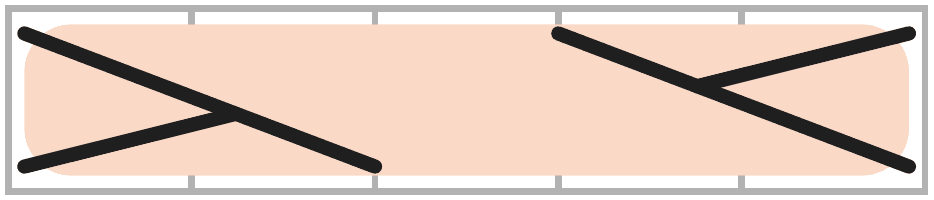
Slip 4 stitches to a cable needle and hold them at the front of the work, purl the next stitch, then knit the 4 stitches from the cable needle.
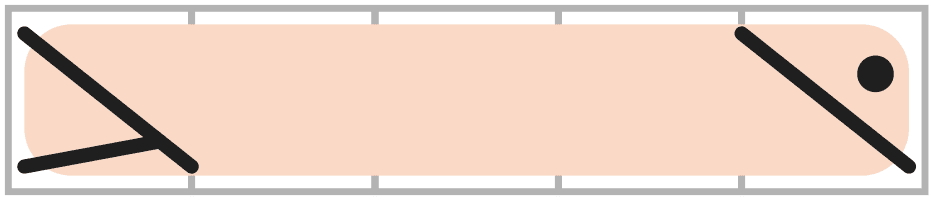
Slip 1 stitch to a cable needle and hold it at the back of the work, knit the next 4 stitches, then purl the stitch from the cable needle.
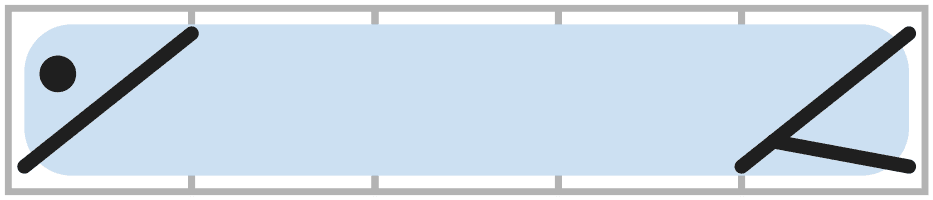
Slip 3 stitches to a cable needle and hold them at the front of the work, knit the next 3 stitches, return the 3 cable-needle stitches to the left needle and knit them.

Slip 3 stitches to a cable needle and hold them at the back of the work, knit the next 3 stitches, return the 3 cable-needle stitches to the left needle and knit them.

Slip 4 stitches to a cable needle and hold them at the front of the work, purl the next 2 stitches, return the 4 cable-needle stitches to the left needle and knit them.
Slip 2 stitches to a cable needle and hold them at the back of the work, knit the next 4 stitches, return the 2 cable-needle stitches to the left needle and purl them.
Slip 3 stitches to a cable needle and hold them at the back of the work, work the next 3 stitches as follows: p1, k1, p1, return the 3 cable-needle stitches to the left needle and work them as follows: p1, k1, p1.
Slip 3 stitches to a cable needle and hold them at the front of the work, work the next 3 stitches as follows: p1, k1, p1, return the 3 cable-needle stitches to the left needle and work them as follows: p1, k1, p1.
Slip 4 stitches to a cable needle and hold them at the front of the work, knit the next 3 stitches, return the last cable-needle stitch to the left needle and purl it, then knit the 3 stitches remaining on the cable needle.
Slip 4 stitches to a cable needle and hold them at the back of the work, knit the next 3 stitches, return the last cable-needle stitch to the left needle and purl it, then knit the 3 stitches remaining on the cable needle.
Slip 4 stitches to a cable needle and hold them at the front of the work, knit the next 4 stitches, return the 4 cable-needle stitches to the left needle and knit them.
Slip 4 stitches to a cable needle and hold them at the back of the work, knit the next 4 stitches, return the 4 cable-needle stitches to the left needle and knit them.
Detailed techniques and tutorials used throughout the patterns.
Join two perpendicular edges by alternately picking up one stitch along the horizontal edge and one bar between two stitches along the vertical edge. Gently pull the yarn as you go to bring the pieces together without puckering the fabric.
Create the stitches : Knit into the next stitch without dropping it from the left needle. Yarn over, then knit into the same stitch again. Repeat until you have 5 loops on the right needle, then drop the original stitch from the left needle.
Shape the bobble : With the left needle, pass the second stitch on the right needle over the first. Repeat for the next 4 stitches until only one stitch remains on the right needle.
Secure the shape : On the wrong side, find the horizontal strand immediately below the bobble and lift it with the right needle.
Finish : Knit this lifted strand together with the next stitch. Tighten the yarn as you knit the following stitch so the bobble stays rounded on the right side.
Please note : the tutorial demonstrates 7-stitch bobbles, while this pattern uses 5-stitch bobbles.
The buttonholes are worked once the band is finished: place your buttonhole markers where the buttons will sit, then open each buttonhole following the tutorial.
Alternate knit 1 and purl 1. On the following rows or rounds, work the stitches as they present themselves: knit the knits and purl the purls.
Alternate 1 twisted knit stitch, worked through the back loop, and 1 purl stitch. In the round: rep * k1 tbl, p1 * on every round.
Alternate knit 2 and purl 2: rep * k2, p2 *. On the following rows or rounds, work the stitches as they present themselves.
Wash and block your pocket. Once it is dry, lay your work flat and mark the placement of the pocket before sewing it on with an invisible seam. The tutorial shows how to sew on the wrong side, but the technique also works on the right side.
Understand the shorter rows, grey squares and double stitch symbol in a chart with German short rows.
Worked flat: knit one row, purl one row. In the round: knit every round.
With a crochet hook, make a chain with the waste yarn, then pick up the stitches in the bumps of the chain with the working yarn. To recover the stitches, undo the chain stitch by stitch, placing each freed stitch back on the needle.
Turn : On a right-side row, work to the turning point, then turn the work.
Make the double stitch : With the yarn held in front, slip the first stitch purlwise. Pull the yarn firmly up and over the needle to create a double stitch (DS).
Resolve the double stitch : On the following row, work both strands of the DS together—knit or purl as the row requires—as though they were one stitch.